1 min read
Keep your staff on board: reducing vibration risks in professional mowing
Keep your staff on board with Ferris suspension Landscape contractors across Europe are facing the same challenge: fewer skilled workers available...
3 min read
Ferris EU : Updated on July 3, 2026
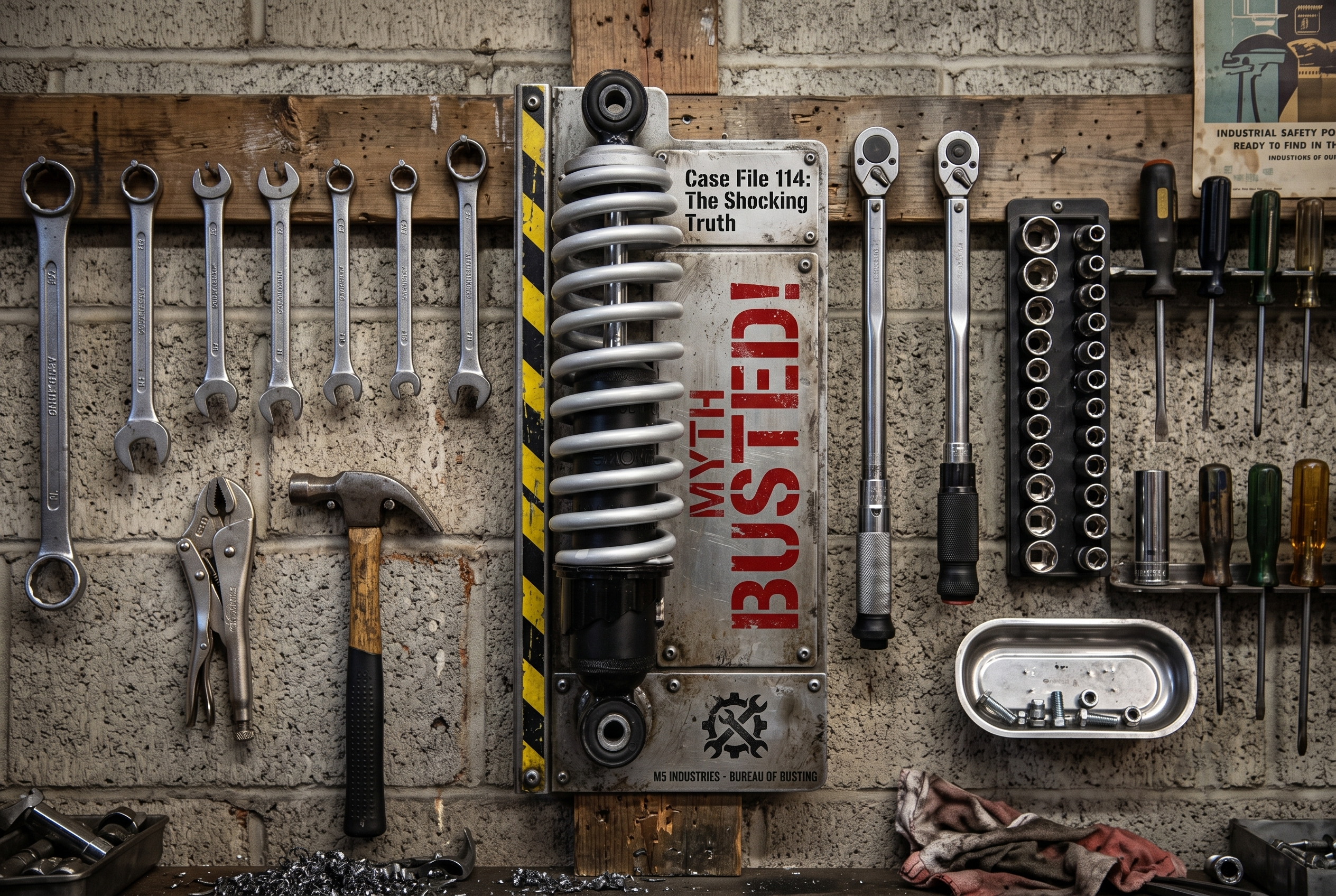
Ferris IS® & ISX™ independent suspension does what a seat can't: it isolates the entire machine. It protects your operator, preserves your equipment, and lets your team mow faster over bad ground. It’s a massive commercial advantage. Yet, for contractors who have only ever run rigid frames, the myths persist. Let's go through them and debunk them for once and for all:
A common objection when buyers are comparing machines. Competitors offer a suspended seat as the comfort solution, and on paper it sounds equivalent; a cushioned ride, reduced shock to the body.
A suspended seat protects the driver. Full suspension protects everything.
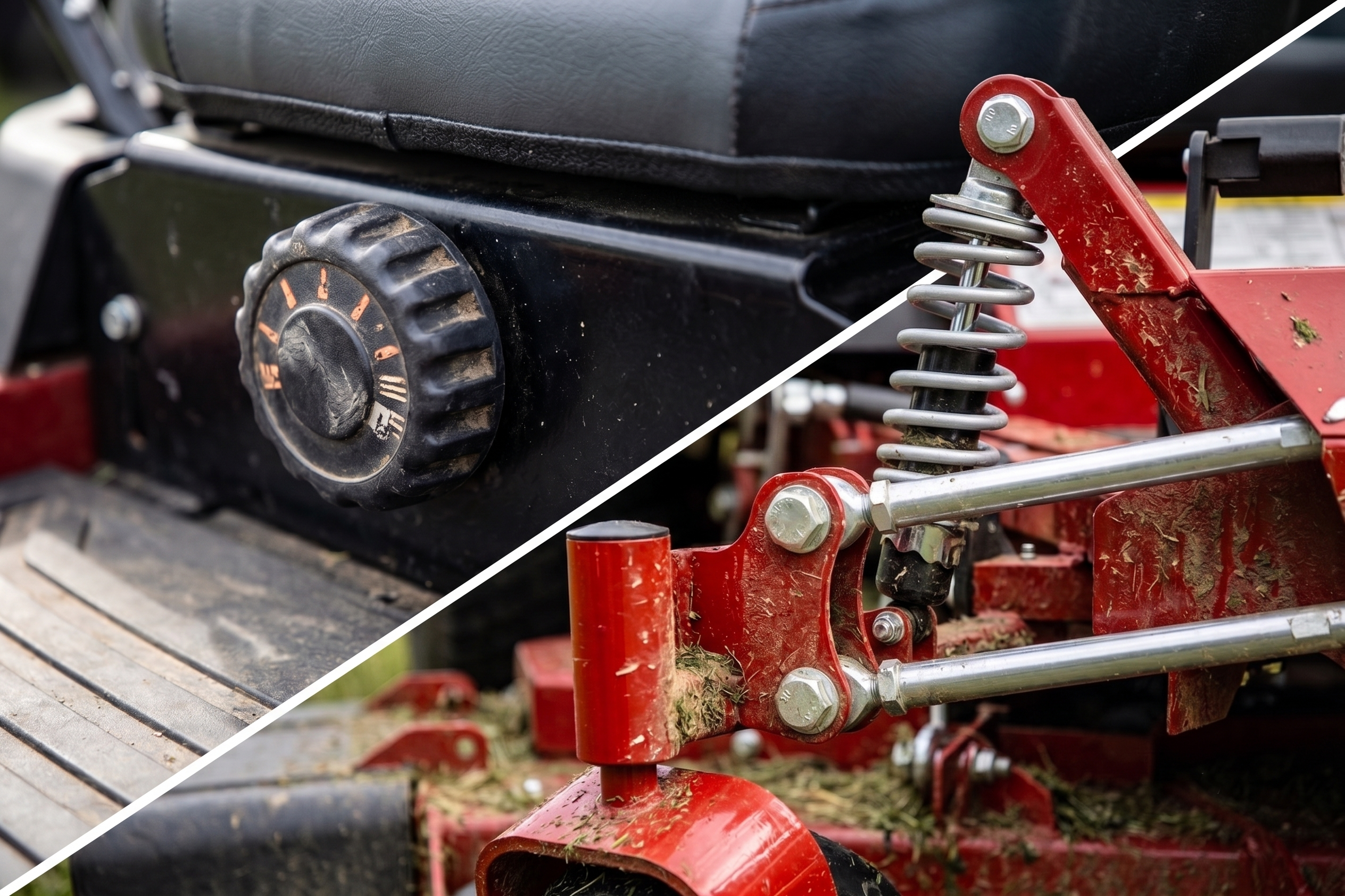
With a suspended seat, only the operator’s torso is isolated. Because the steering levers and footrest are bolted to a rigid frame, the operator’s arms and legs still absorb every jolt at full force. Plus, the chassis, engine, deck, and all mechanical components take constant shock loading, which accelerates wear on belts, bearings, spindles and frames. Ferris suspension absorbs the impact before it reaches the machine, extending component life and reducing stress on every part.
Seen frequently in online forums. The fear is that if the chassis floats over bumps, the deck will drop unpredictably and cut too low in places, especially during braking or reversing.
The deck floats with the suspension, that's the whole point!
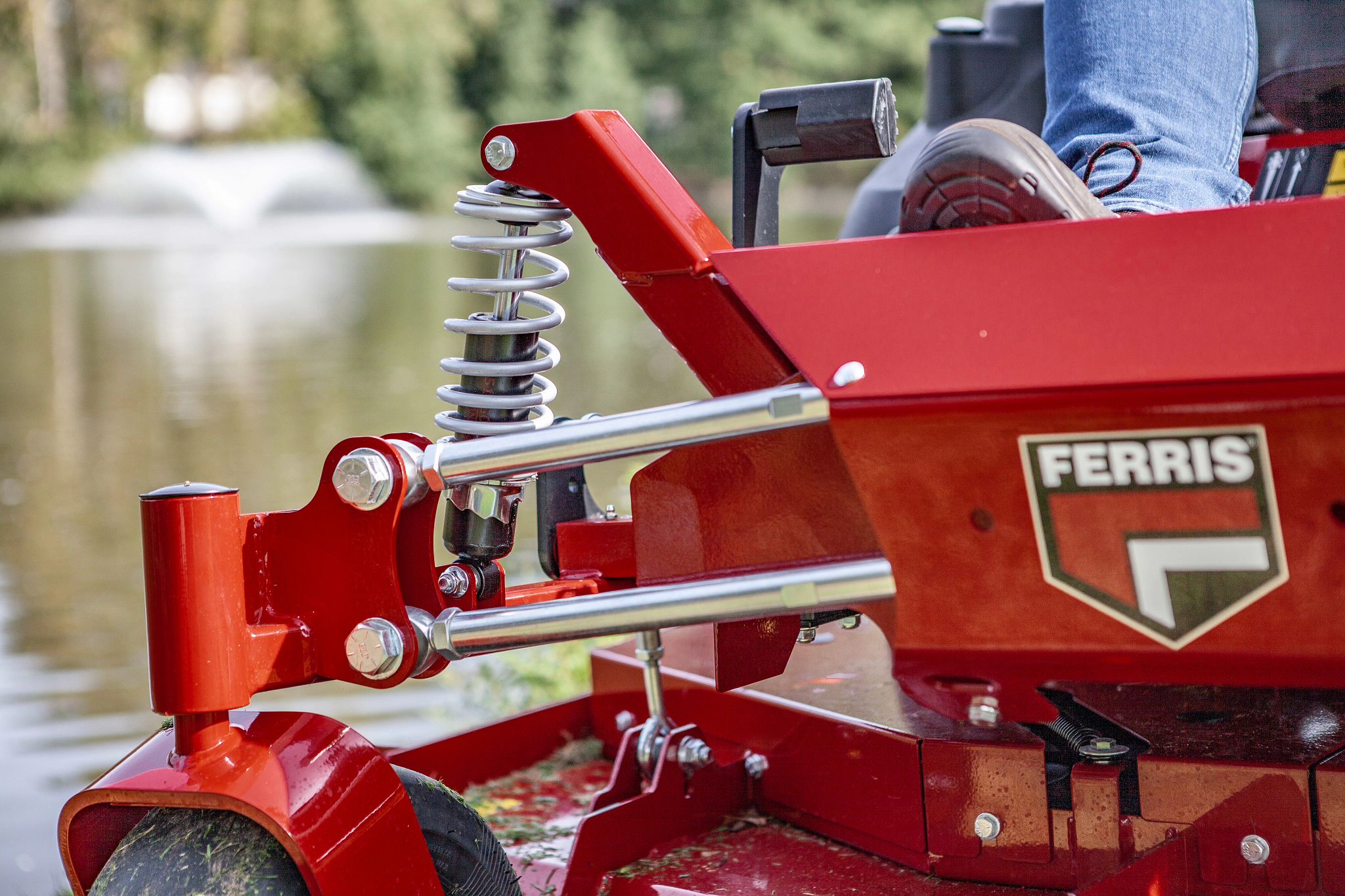
Ferris' reactive deck mounting system means the cutting deck doesn't rigidly follow the chassis; it floats in harmony with the wheel movement. On the ISX™ range, this works front and rear, giving maximum performance across the most demanding terrain. As the suspension travels, the deck counterbalances and raises or lowers in sync, maintaining a consistent cutting height across uneven ground. The result is a superior, more consistent cut than any rigid-frame machine that forces the deck to follow chassis roll.
Sceptics worry that shocks, control arms and linkages add complexity that will translate into higher maintenance costs and unexpected downtime. "Keep it simple" is the argument.
We back it with a 10-year warranty. That's how certain we are.
Ferris introduced independent mower suspension back in 1998, giving us over 25 years of real-world testing and engineering refinement. The current IS® and ISX™ systems are built to commercial standards. We're so confident in its durability that we doubled the previous warranty and now offer the industry's longest suspension warranty: 10 years. If there were a real reliability concern, we simply wouldn't make that commitment.
Some buyers see suspension as a comfort add-on for homeowners rather than a genuine commercial tool. The assumption: productivity is about horsepower, not ride quality.
Operator comfort IS a productivity metric.
On a rigid mower, operators instinctively slow down to absorb the impacts of rough terrain. Ferris IS® and ISX™ suspension allows them to maintain full mowing speed over uneven ground, drastically cutting job times. Beyond raw speed, the suspension absorbs the brutal whole-body vibration that drains operators, keeping them comfortably below the EU Exposure Action Value (EAV) for a full 8-hour shift. When finding good staff is your biggest challenge, a machine that eliminates physical fatigue isn’t a luxury. It's a major selling point to your crew and a massive competitive advantage.
Common among contractors who've run conventional mowers for years without obvious problems. Vibration is treated as a normal part of the job, and health risks are dismissed as overstated regulation.
Long-term WBV (Whole-Body Vibration) exposure is a serious and irreversible occupational risk.
WBV over time causes back pain and spinal damage, while constantly gripping vibrating, rigid steering levers accelerates upper body fatigue. European legislation sets legally binding action values and exposure limits for WBV. Breaching these thresholds puts employers at legal risk. Beyond the regulation, fatigued operators make mistakes, slow down, and leave. The hidden cost of staff turnover in the green industry; recruiting, retraining, lost productivity, far outweighs the price difference between a suspended machine and one without.
Contractors look at the coil-over shocks, control arms, and pivot points underneath the mower and picture a cleaning nightmare. When you're working in wet grass and heavy mud, exposed components look like a trap for debris.
One pass with a leaf blower and you're done.
Ferris IS® and ISX™ suspension both use an open geometry. Debris doesn’t pack in because there's nowhere for it to hide, it just falls through. If you do get buildup after a wet shift, you don't need to dismantle anything or break out the degreaser. A quick blast from a leaf blower clears the undercarriage in seconds.
The hardware itself is built for the dirt. The coil-over shocks are fully sealed units, and the pivot points just take a quick hit with a grease gun during your normal service intervals.
Wanna learn how our suspension system handles rough terrain?
Check the technical details here on our Suspension Technology page.
1 min read
Keep your staff on board with Ferris suspension Landscape contractors across Europe are facing the same challenge: fewer skilled workers available...
1 min read
Steep banks, rugged hillsides and hard-to-reach areas present a serious challenge for professional contractors and ground care specialists....
1 min read
Ferris announces a new programme to support contractors, municipalities, landscapers, homeowners and dealers. Ferris is introducing a new,...